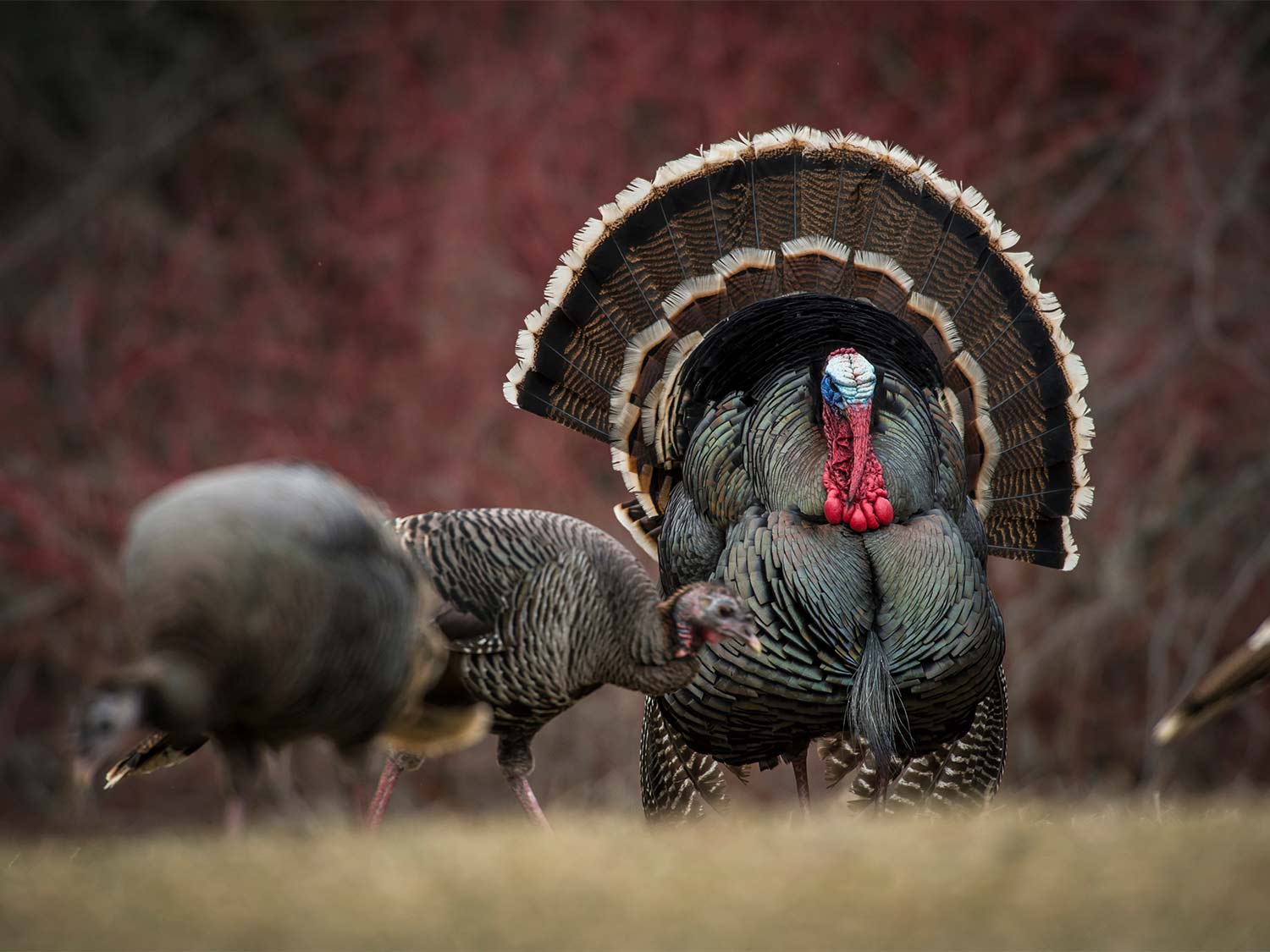
The Wild Turkey Grand Slam is the foundational achievement in turkey hunting, officially recognized by the National Wild Turkey Federation (NWTF). It’s the most popular and accessible of the slams — the starting point for many hunters before stepping up to Royal or World levels. To complete it, you harvest and register one of each of the four primary U.S. subspecies of wild turkey.
This slam showcases the diversity of American turkey hunting: from dense Eastern forests to Florida swamps, open plains, and Western mountains. Thousands have achieved it (over 1,500 registered with NWTF as of recent data, representing a tiny fraction of hunters), but it still demands multi-state travel, season timing, and solid calling/scouting skills.
The Four Subspecies Required for the Grand Slam
- Eastern — The most widespread and abundant; found east of the Mississippi in hardwood/mixed forests. Classic gobblers with dark feathers and strong gobbles.
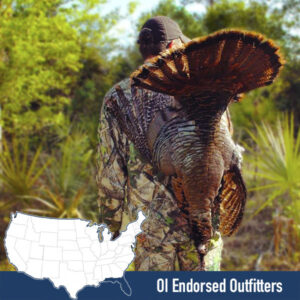
- Osceola (Florida) — Limited to peninsular Florida; often the toughest due to wary behavior, thick swamps/palmettos, and limited access. Smaller, darker birds with long spurs.
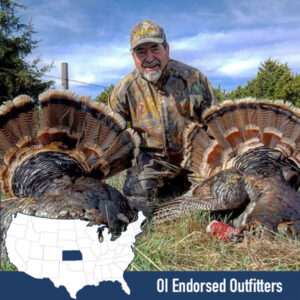
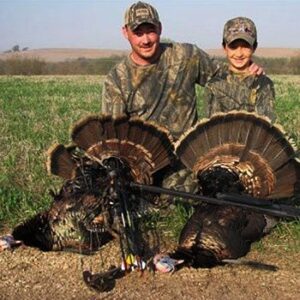
- Rio Grande — Thrives in the central/southwestern plains, brush country, and river bottoms (e.g., Texas, Oklahoma, Kansas). Nomadic, with copper-tipped tails and moderate everything.
- Merriam’s — Western mountain/prairie dwellers; flashy with snow-white tipped tail feathers. Often in ponderosa pine and open high country.
Strategy Breakdown
This is the Entry-level Slam: No international travel needed (unlike Royal/World), and many states offer multi-subspecies combos (e.g., Kansas/Oklahoma for Eastern + Rio; South Dakota for Merriam’s + hybrids). A successful Turkey Grand Slam strategy focuses on a south-to-north, early-to-late progression, starting with Florida’s Osceola in March, followed by Rios, Easterns, and finally Merriam’s in the West, maximizing spring season dates while managing logistics and state regulations for the Eastern, Rio Grande, Merriam’s, and Osceola subspecies. Key steps involve meticulous planning for varying seasons, locations (public vs. private land), and booking guided hunts for tough birds like the Osceola, while leveraging our knowledge for success across diverse habitats.
Target the Subspecies in Order:
- Osceola (Florida): Start here in early spring (March/April) as seasons open first. Plan for guided hunts as public land access is difficult.
- Rio Grande (Texas, etc.): Follow with Rios, often found near water sources in scrub oak.
- Eastern (Mid-South/East): Move north as seasons progress, often overlapping with Rios.
- Merriam’s (West): Finish with Merriam’s in rugged, high-country terrain as their seasons are typically later.
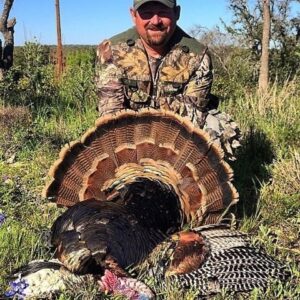
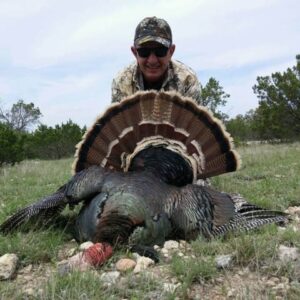
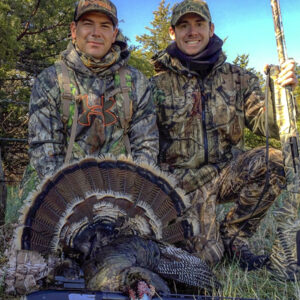
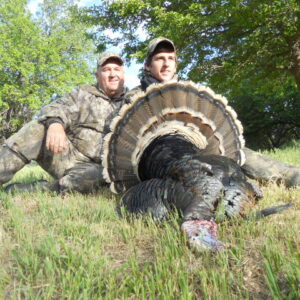


I didn't think an experience like this was possible.
This trip, was, for me at least not just a trip, for me it was a real adventure, a real experience. I love the wilderness and this trip afforded me the opportunity to connect with the Alaskan wilderness in ways very few people do. It was an experience I will never forgot in a place I can’t wait to get back to.
Oliver Fischer
The outfitter handled everything perfectly.
We were thankful that Outdoors International hooked us up with a great outfitter because they were able to find us an acceptable alternate on short notice. Overall the two year process to get this float in was seamless and worry free. Just like it should be.
Thank you,
Stan Masneri
What an amazing experience!
The lodge was out of this world! Our rooms, the delicious food, the incredible wildlife and the scenery were amazing. Our photo safari guide was truly exceptional and had us on animals almost constantly. We saw over 30 different species and had some incredible up close experiences. Africa is amazing!
Scott Navares
Copyright 2005-2026 © Outdoors International™ · All Rights Reserved.