
Kansas might not be the first place that comes to mind for world-class fishing, but its diverse waters—from sprawling reservoirs to winding rivers and community lakes—provide ample opportunities for anglers of all levels. Whether you’re chasing trophy catfish or introducing kids to the sport, the Sunflower State delivers variety and accessibility. As a resource from Outdoors International, this guide focuses on timeless basics to help you plan your next outing while highlighting how our expertise in outdoor adventures can elevate your experience.
Popular Fish Species in Kansas
Kansas boasts a wide array of freshwater species, thanks to its mix of warm water and cold water habitats. Here’s a rundown of the most sought-after:
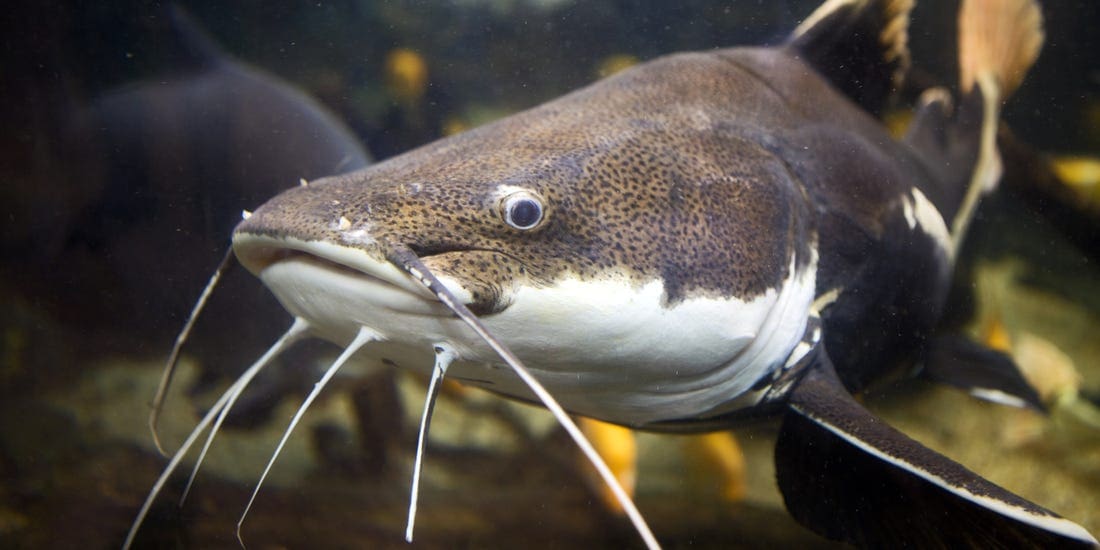
- Catfish: Channel, flathead, and blue catfish dominate many waters. Channels are abundant in rivers and lakes, while flatheads and blues offer trophy potential in larger reservoirs.
- Bass: Largemouth and smallmouth bass thrive in lakes and reservoirs. Look for largemouth in weedy shallows and smallmouth in rocky areas.
- Crappie: Black and white crappie are staples for panfish enthusiasts, often found around submerged structures.
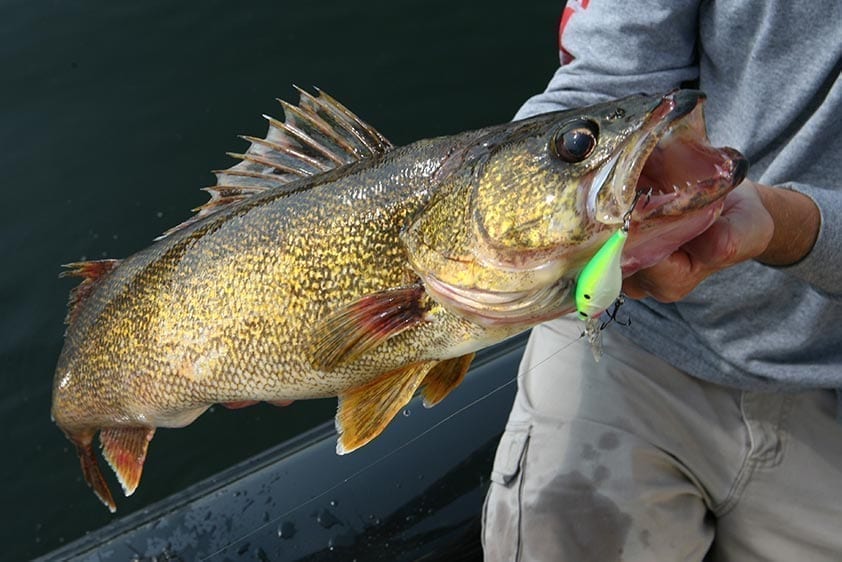
- Walleye: A favorite for their fight and table fare, walleye inhabit deeper waters in reservoirs.
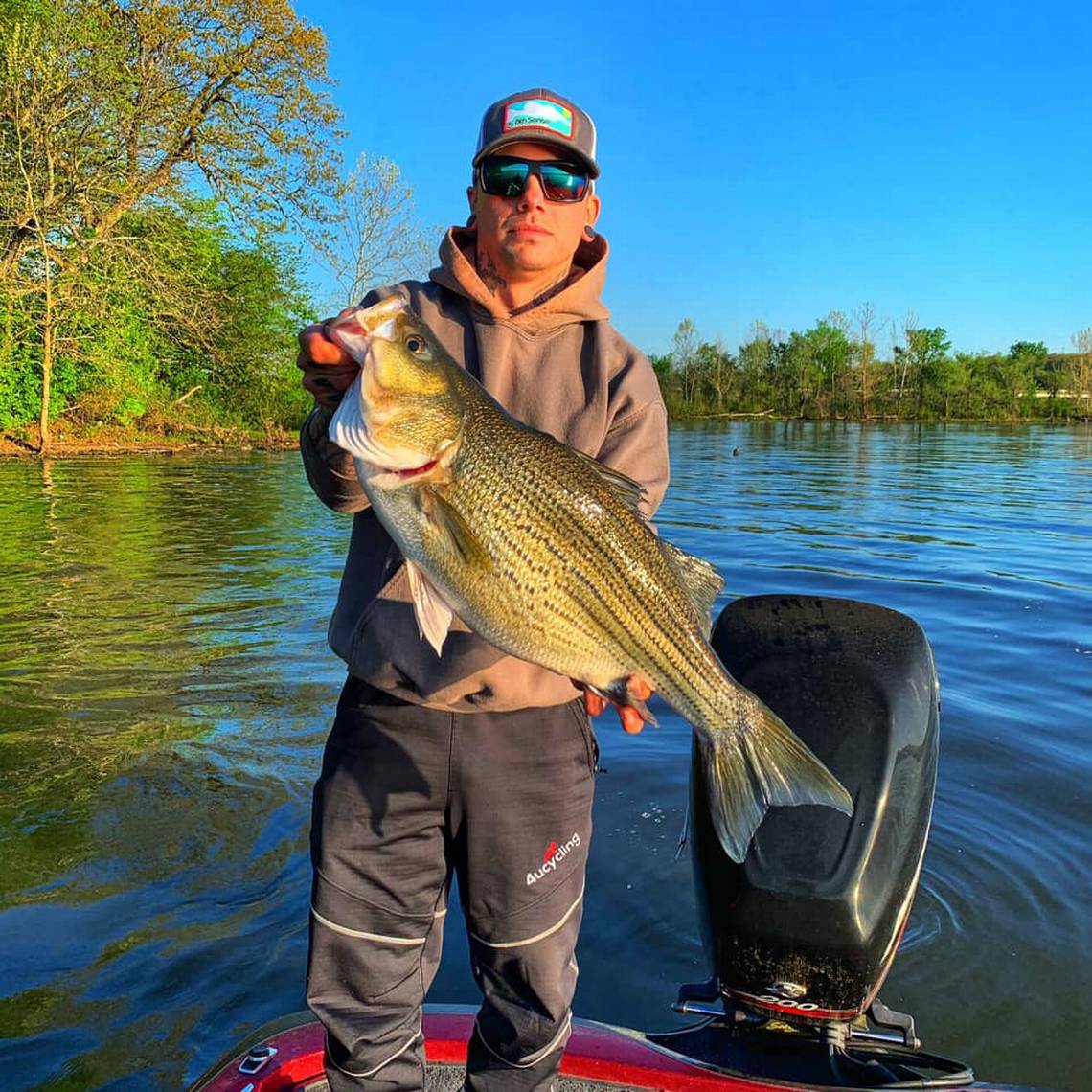
- Wipers (Hybrid Striped Bass): These hard-hitting hybrids are stocked in select reservoirs for exciting action.
- Other Species: Northern pike in northern waters, rainbow trout in stocked streams and lakes, and various sunfish for easy catches.
Focus on native species like catfish for sustainable fishing, and always check for any stocked additions in your target area.
Top Fishing Locations
With over 24 federal reservoirs, 40 state fishing lakes, and more than 200 community lakes, Kansas has no shortage of spots. Many offer free public access with just a state license. Here are some standout evergreen locations:
- Milford Lake: The largest in the state, ideal for walleye, crappie, bass, and catfish. Boat ramps and shore access abound.
- Clinton Lake: Near Lawrence, great for bass, crappie, walleye, and catfish. Features wooded shorelines and submerged timber.
- Cheney Reservoir: A catfish haven, with solid bass and crappie populations. Wide-open waters suit boat anglers.
- Tuttle Creek Lake: Known for massive catfish, plus walleye and crappie. Expansive with multiple access points.
- Perry Lake: Excellent for wipers, bass, and crappie. Rocky points and drop-offs are key.
- Rivers: The Kansas River and Arkansas River provide year-round action for catfish and bass. Wade or float for a more adventurous outing.
- Community and State Lakes: Smaller spots like those in the Community Fisheries Assistance Program offer convenient, family-friendly fishing without crowds.
Pro tip: Use the Kansas Department of Wildlife and Parks (KDWP) atlas or app for maps and access details—these resources are invaluable for scouting.
License Requirements and Regulations
Before wetting a line, ensure compliance to avoid fines and support conservation:
- Licenses: Required for anyone 16 and older. Residents (after 60 days of residency) and nonresidents can buy annual, one-day, or five-day options online via KDWP or retailers. Lifetime licenses are available for long-term anglers; discounts apply for seniors, disabled veterans, and youth.
- Regulations: Statewide creel and length limits vary by species (e.g., 5 channel catfish daily, with length minimums for bass). Special rules may apply to certain waters, like trout permits for stocked areas. Always practice catch-and-release for sustainability.
- Invasive Species Prevention: Follow the “Clean, Drain, Dry” protocol to protect ecosystems—rinse gear, drain livewells, and dry equipment between trips.
Get your license at ksoutdoors.com for seamless planning.
Tips for Success
Whether you’re a beginner or seasoned pro, these general strategies will boost your odds:
- Gear Basics: A medium-action rod with 10-20 lb test line covers most species. Use live bait like worms or minnows for catfish and crappie; artificial lures (jigs, crankbaits) for bass and walleye.
- Techniques: Fish structure—submerged trees, rocky banks, and drop-offs attract predators. Early morning or evening hours are prime for bites. In rivers, target eddies and deep pools.
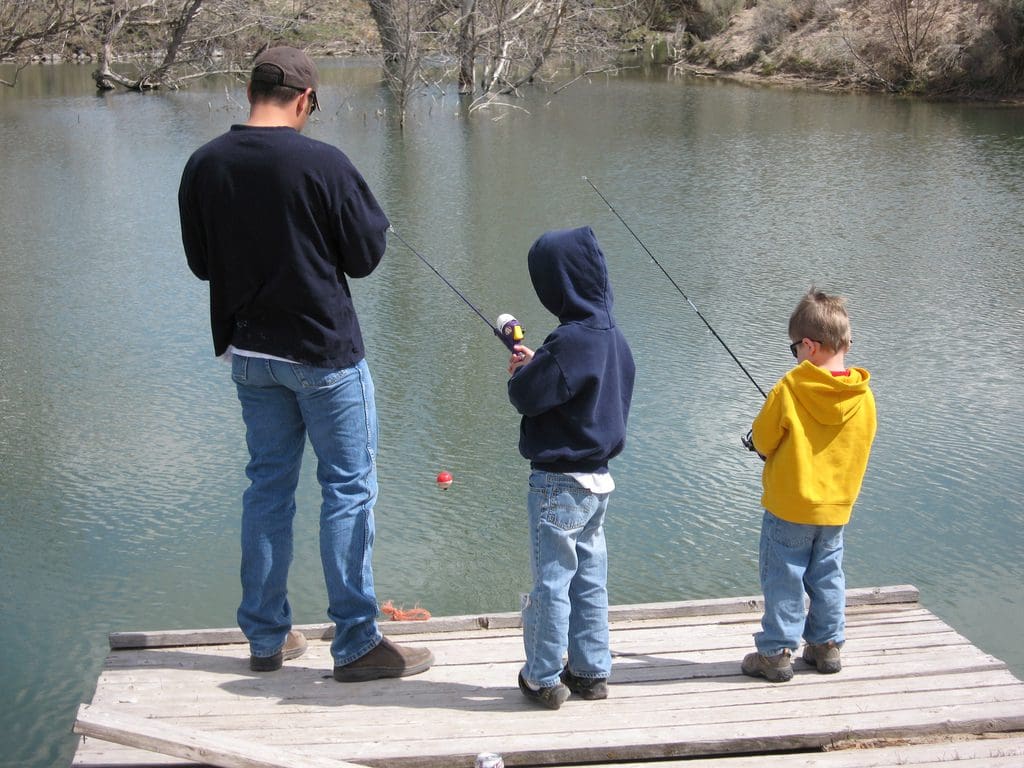
- For Beginners: Start at community lakes for easy access and stocked fish. Polarized sunglasses help spot fish; bring a cooler for keepers and sunscreen for long days.
- Safety and Etiquette: Check weather, wear life jackets on boats, and leave no trace. Introduce kids with simple setups to build lifelong interest.
- Advanced: Use fish finders to locate schools, and experiment with seasonal patterns—fish deeper in heat, shallower in cooler weather.

Winter Fishing in Kansas: Open Water Wins, Ice as a Rare Bonus
Kansas winters deliver solid fishing action year-round—if you prioritize open-water techniques over waiting for ice. With reservoirs staying mostly ice-free (or only briefly skimmed), many anglers boat through the cold months for excellent crappie, walleye, white bass, and catfish bites. Water temps in the 40s concentrate fish in predictable spots: deep brush piles, creek channels, drop-offs, and submerged timber. The key is slow, precise presentations—fish are sluggish but still feed aggressively when you put the right bait in front of them.
Top winter targets include:
- Crappie (white and black): Often the star of the show. They school tightly in 10–30+ feet near structure. Vertical jigging with 1/8–1/4 oz jigs (hair or plastic, natural colors mimicking shad), minnows under slip bobbers, or small spoons produces limits. Popular reservoirs like Milford, Tuttle Creek, Cheney, Wilson, Glen Elder, and Kanopolis shine here—many guides report consistent boatloads even on blustery days.
- Walleye: Deeper haunts (15–25+ feet) around humps, points, and channels. Troll shad-colored crankbaits or drift jig-minnow combos slowly.
- White bass and wipers: Aggressive on jigs or spoons when located with electronics.
- Catfish: Still active on bottom rigs with cut bait or stink bait in deeper holes.
Techniques that work: Use electronics to mark suspended schools or brush—position over them and drop jigs vertically. Slow trolling or drifting keeps baits in the zone. Heavier line (12–14 lb fluoro or braid) handles the murkier winter water and bigger baits (2–3 inch plastics to match shad forage). Dress in layers, pick ramps close to prime areas to minimize cold boat rides, and fish when winds are manageable—sunny, 25°F+ days often yield the best bites.
Ice fishing? It happens during rare, prolonged arctic blasts (typically northern/central reservoirs like Glen Elder, Kanopolis, or Wilson), but expect only 1–2 short windows per season with safe 4+ inch ice. When it forms, target crappie, bass, or whites with small jigs, spoons, or live bait (waxworms/minnows) through holes. Regulations allow 2 rods + 8 tip-ups (tagged if unattended), holes ≤12 inches. Safety is non-negotiable: no ice is 100% safe—test thickness, go with a partner, carry spikes/rope/throwable float, avoid currents/geese-open areas, and bail at any cracking or warming signs. Many locals skip ice entirely for reliable boat fishing.
Kansas fishing is forgiving for novices but rewarding for experts, making it ideal for family trips or solo escapes.
Kansas fishing combines heartland accessibility with genuine adventure potential. If you’re looking to turn a casual outing into a memorable expedition—perhaps with guided expertise, gear recommendations, or trip planning—Outdoors International specializes in curating outdoor experiences. Contact us to discuss how we can optimize your next Kansas fishing venture. Tight lines!
Contact Us For More InformationTrips that we offer in Kansas:
By the way, Kansas isn’t just about the fishing.
The same reservoirs, rivers, and prairie landscapes that produce great angling also deliver world-class big game, upland bird, waterfowl, and turkey hunting. Think trophy whitetails during the rut, explosive pheasant flushes across vast grasslands, spring turkey gobbling in wooded draws, and fast-paced duck and goose action in wetlands and flyways. Many of our clients combine trips—fishing one day, hunting the next—for maximum value from a Kansas adventure. If you’re interested in layering in guided hunting options, check our full Kansas destination page for details on draws, access, and expert-led experiences.



I didn't think an experience like this was possible.
This trip, was, for me at least not just a trip, for me it was a real adventure, a real experience. I love the wilderness and this trip afforded me the opportunity to connect with the Alaskan wilderness in ways very few people do. It was an experience I will never forgot in a place I can’t wait to get back to.
Oliver Fischer
The outfitter handled everything perfectly.
We were thankful that Outdoors International hooked us up with a great outfitter because they were able to find us an acceptable alternate on short notice. Overall the two year process to get this float in was seamless and worry free. Just like it should be.
Thank you,
Stan Masneri
What an amazing experience!
The lodge was out of this world! Our rooms, the delicious food, the incredible wildlife and the scenery were amazing. Our photo safari guide was truly exceptional and had us on animals almost constantly. We saw over 30 different species and had some incredible up close experiences. Africa is amazing!
Scott Navares
Copyright 2005-2026 © Outdoors International™ · All Rights Reserved.