

Five Species, One State, One Question: Which Run Do You Want to Hit?
Alaska has five Pacific salmon species, and each one runs on its own schedule, in its own water, with its own character. Book the right week and you’ll have some of the best freshwater or saltwater fishing of your life. Book the wrong week and you’ll watch empty water.
This page covers all five species — Kings, sockeye, silvers, chums, and pinks — what each run looks like, when it happens, and how to pick the trip that fits what you’re after. We run eight Alaska salmon trip options across river systems, coastal bays, and open ocean, operating May through October.
—
King Salmon (Chinook)
Kings are the fish most people are thinking of when they search for Alaska salmon fishing. They are the largest Pacific salmon, they fight hard, and the window to catch them in good shape is narrow.
The general run timing in Alaska is May through mid-July, with June and the first two weeks of July being the strongest window in most systems. Once Kings begin to spawn in earnest, they’re not worth targeting — they fight less, they don’t eat as well, and most rivers tighten their regulations during the spawn anyway.
We offer both saltwater King salmon trips — targeting fish in ocean bays and coastal waters before they enter rivers — and freshwater river trips in systems within the Bristol Bay watershed. Salt water gives you fish in peak condition and often lets you combine Kings with halibut or rockfish on the same day. River fishing puts you in classic fly and light-tackle water.
Because Kings deserve their own depth of coverage, we’ve built a dedicated page for them: King Salmon Fishing in Alaska. Read that before you book a King trip.
—
Sockeye Salmon (Red Salmon)
Sockeye are the most commercially important salmon in Alaska, and on the right river they provide some of the most fast-paced sport fishing you’ll find anywhere. They run in dense schools, and when a pod moves through your hole, you can have multiple fish on in minutes.
Sockeye don’t feed aggressively in fresh water, which is what makes them interesting to target — presentation and technique matter more than bait selection. Fly anglers who learn the timing and the drift will do well. Spin anglers can be effective too.
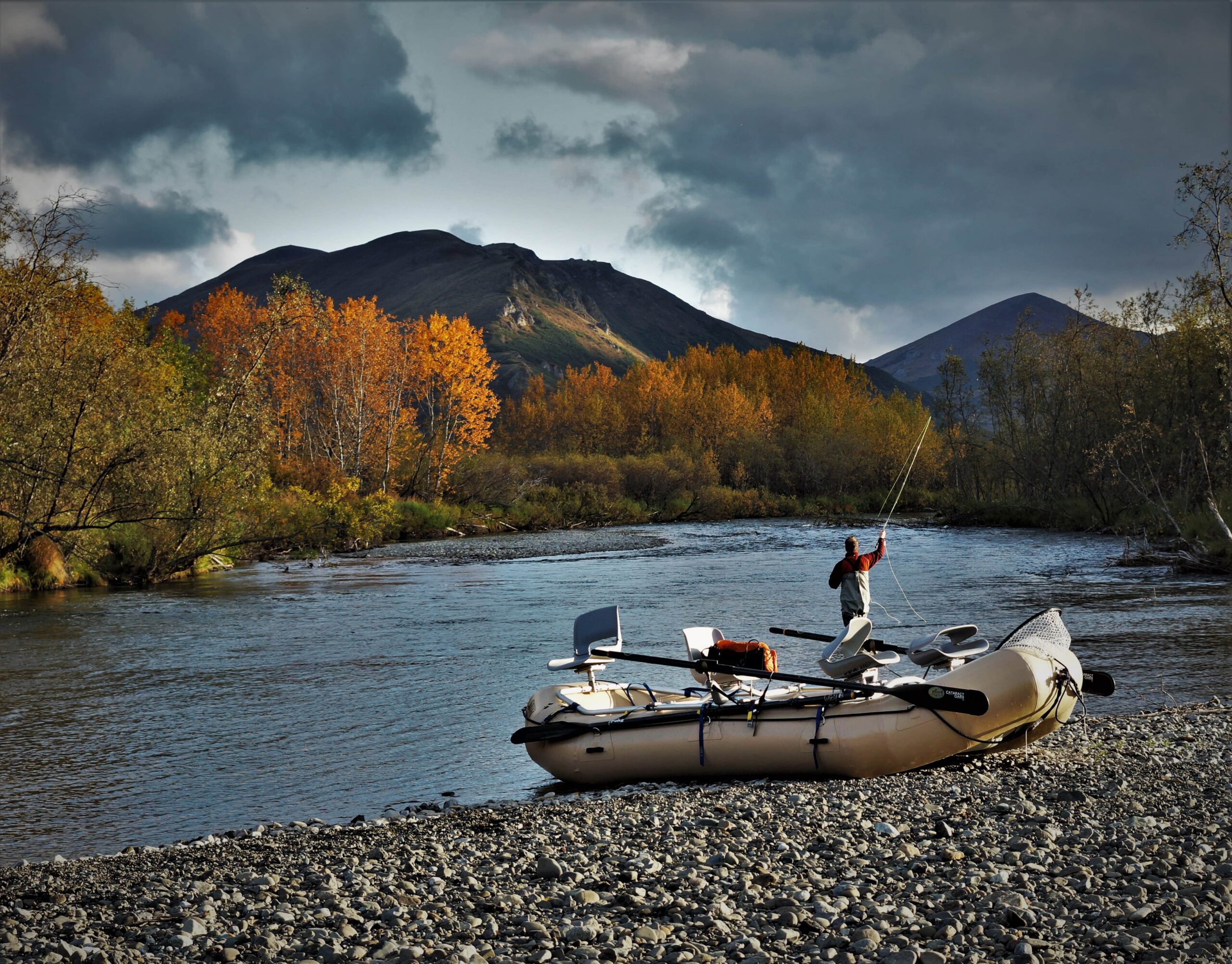
Timing: Sockeye begin entering river systems in June and the bulk of the run pushes through July on most Bristol Bay drainages. Our guided float trips — fishing the Kanektok, Goodnews, Togiak, Arolik, Alagnak, and Moraine Creek — run June through September and will intersect sockeye during their peak weeks. These rivers are in genuine wilderness. Plan your physical preparation accordingly; you’ll be on your feet most of the day.
—
Silver Salmon (Coho)
Silvers are many experienced Alaska anglers’ favorite species to fish specifically for sport. They hit hard, jump repeatedly, and run later in the season than Kings or sockeye — which means they’re the fish that keeps Alaska trips productive deep into summer and into fall.
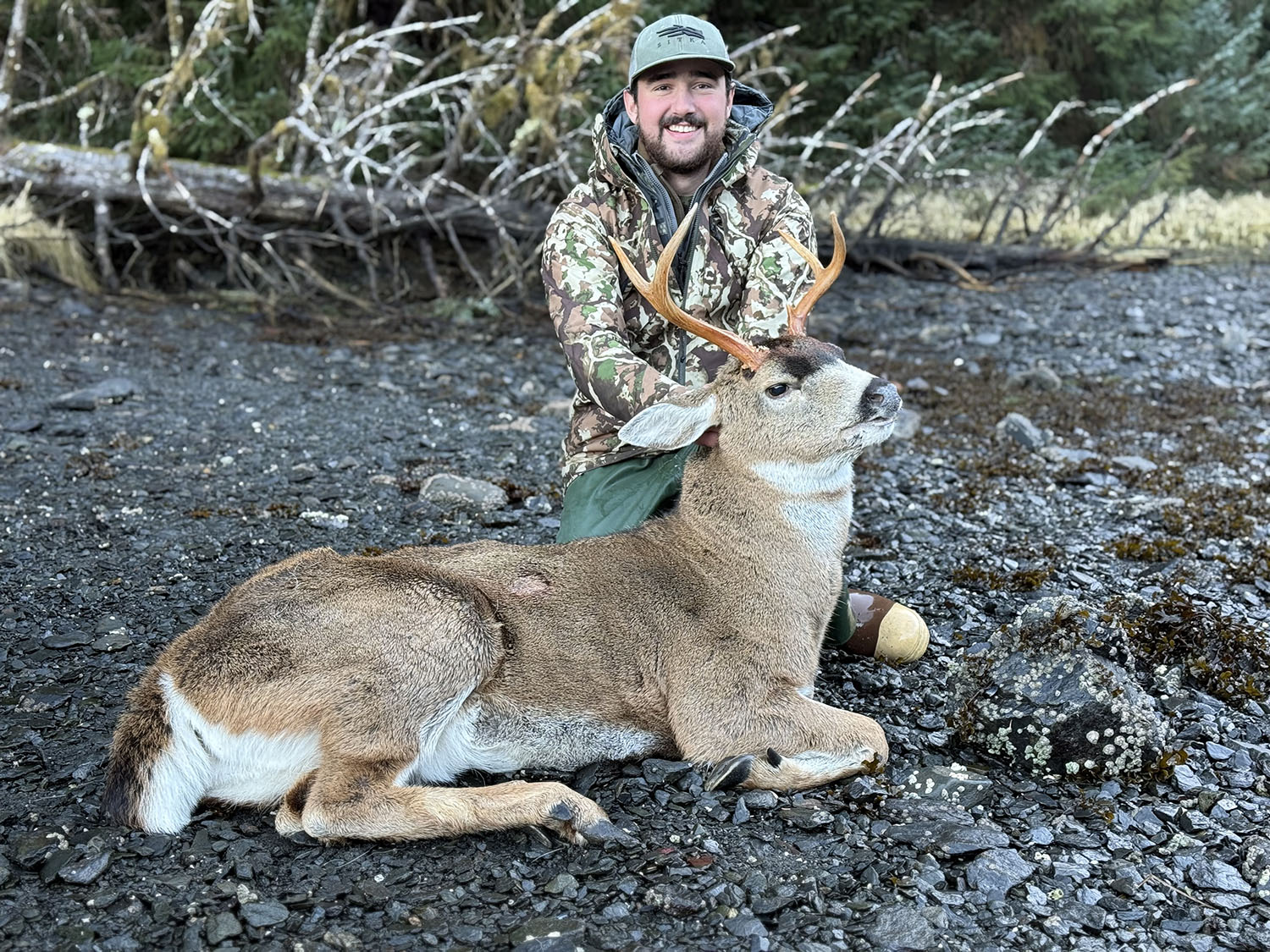
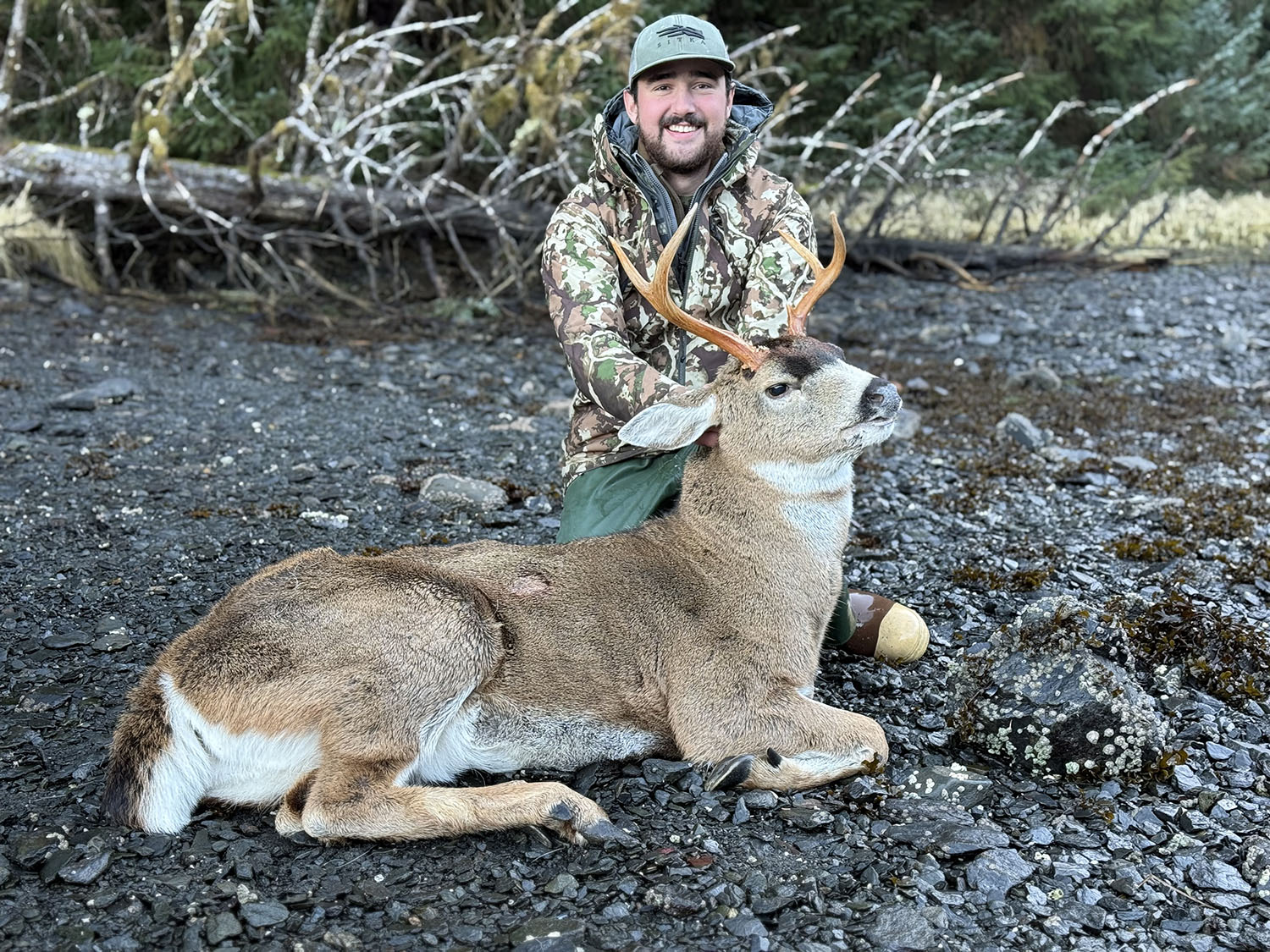
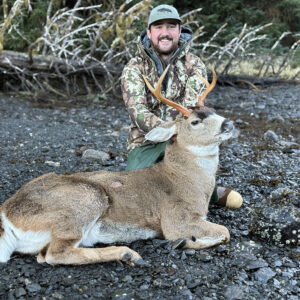
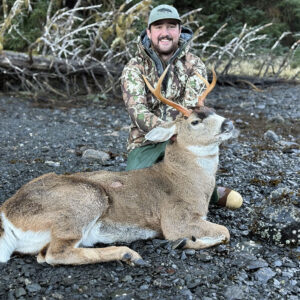
The silver run typically builds in July, peaks in August and September, and in some systems pushes into October. If you want to combine salmon fishing with other fall activities — Sitka blacktail deer, sea ducks, bear viewing — silvers are the run that makes the calendar line up.
Several of our saltwater trips out of southeast Alaska and Homer target silvers as the primary species from July onward. The same boats and guides running King combos early in the season shift to silver combos through late summer. You can also fish silvers on our river float options, where they stack in pools and are aggressive on streamer flies and spinners.
—
Chum Salmon (Dog Salmon)
Chums get undersold because they don’t have the reputation of Kings or the sporting mystique of silvers. That’s a mistake. A fresh chum — caught in tidewater or the lower river, before it begins to change color — hits like a freight train and runs longer than you expect for its size.
Chums run in two waves in most Alaska systems: an early summer run in June and July, and a fall run that can push into September and October. Our Bristol Bay float trips encounter chums during the summer run alongside sockeye and kings.
If you’re fishing primarily for chums, be honest with your consultant about that — the river and timing matters more than it does for species that are more forgiving on dates.
—
Pink Salmon (Humpy)
Pinks are the most abundant Pacific salmon, and in odd-numbered years they pour into Alaska systems in staggering numbers. They’re a smaller fish — typically two to five pounds — but they’re aggressive, they take flies and lures readily, and on light tackle they’re legitimately fun.
For anglers new to Alaska salmon fishing, pinks are a good introduction. You’ll learn the mechanics of reading salmon water and setting up drifts without needing a perfect presentation to get bites. The pink run peaks in July and August.
Our river float trips in the Bristol Bay watershed encounter pinks during their peak season. If you’re on a trip primarily targeting sockeye or silvers, you’ll likely have pinks as a bonus species whether you plan for them or not.
—
River Fishing vs. Saltwater: How to Choose
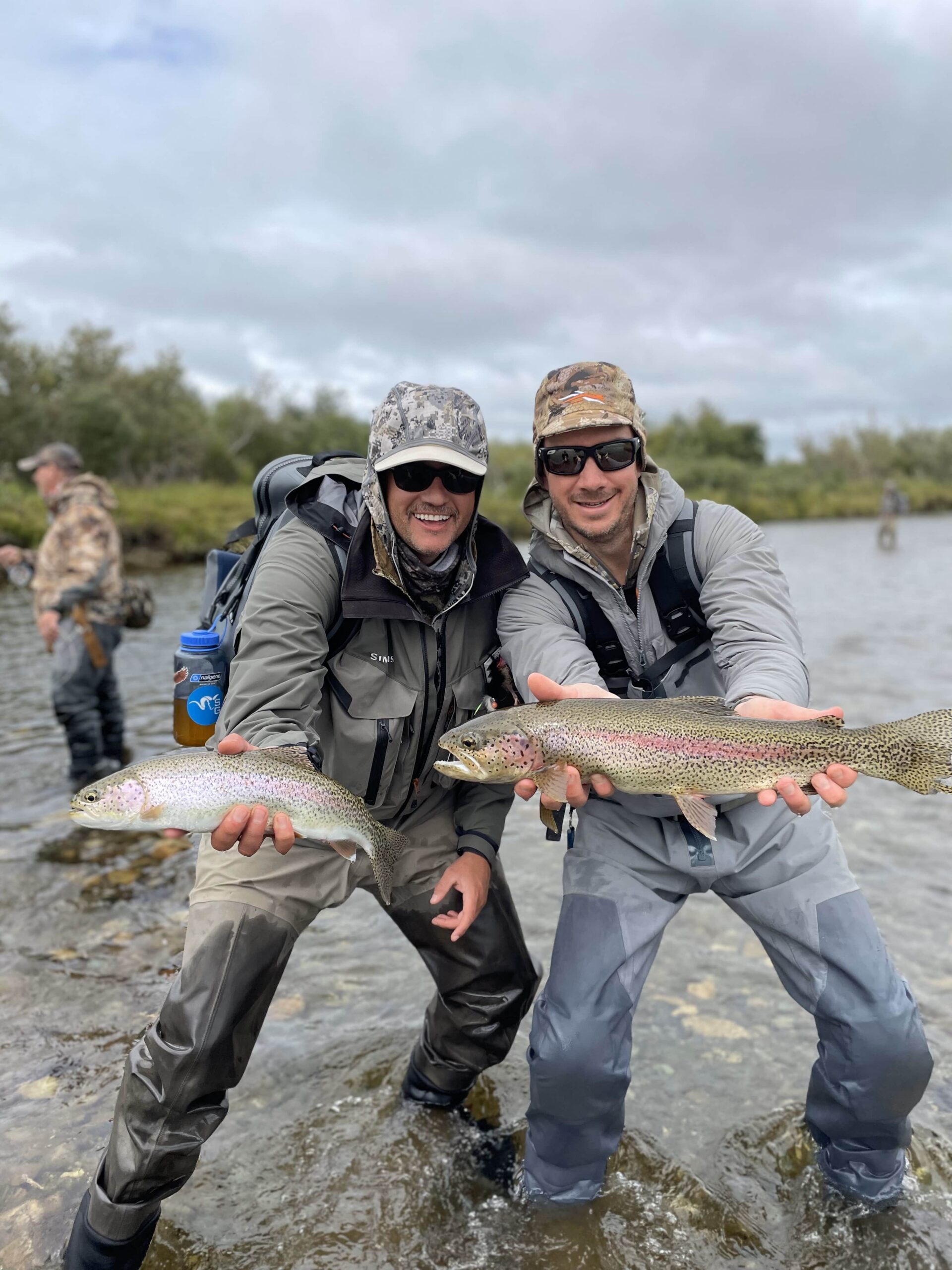
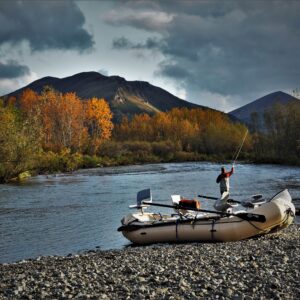
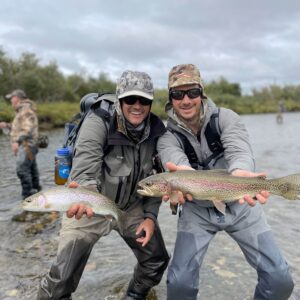
River float trips (fully guided, Bristol Bay watershed): Multi-day floats on genuine wilderness rivers. You’ll fish from a raft, wade gravel bars, and camp along the river. These trips run June through September and cover multiple salmon species across the season. Rainbow trout are also present in these systems and can be outstanding. The physical demand is moderate — you’re not backpacking, but you’re on your feet all day on uneven cobble.
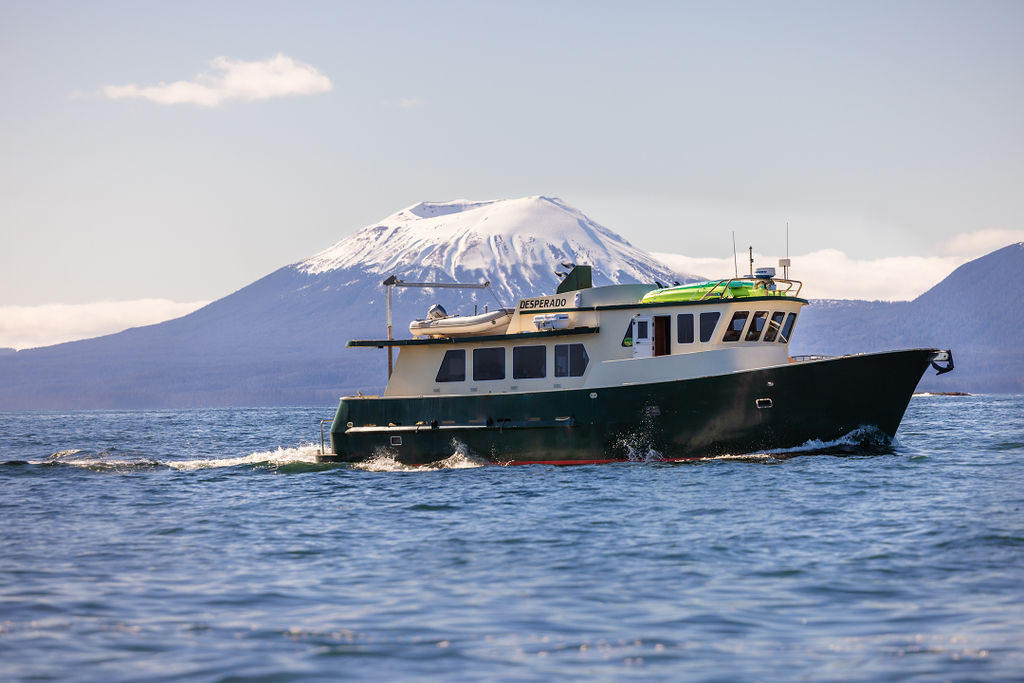
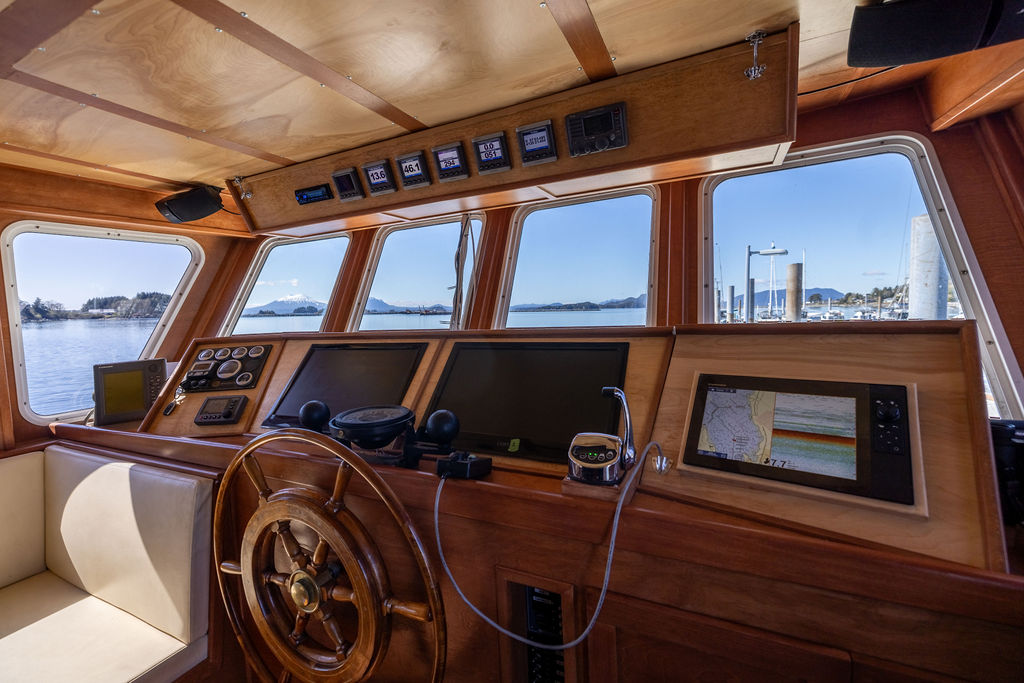
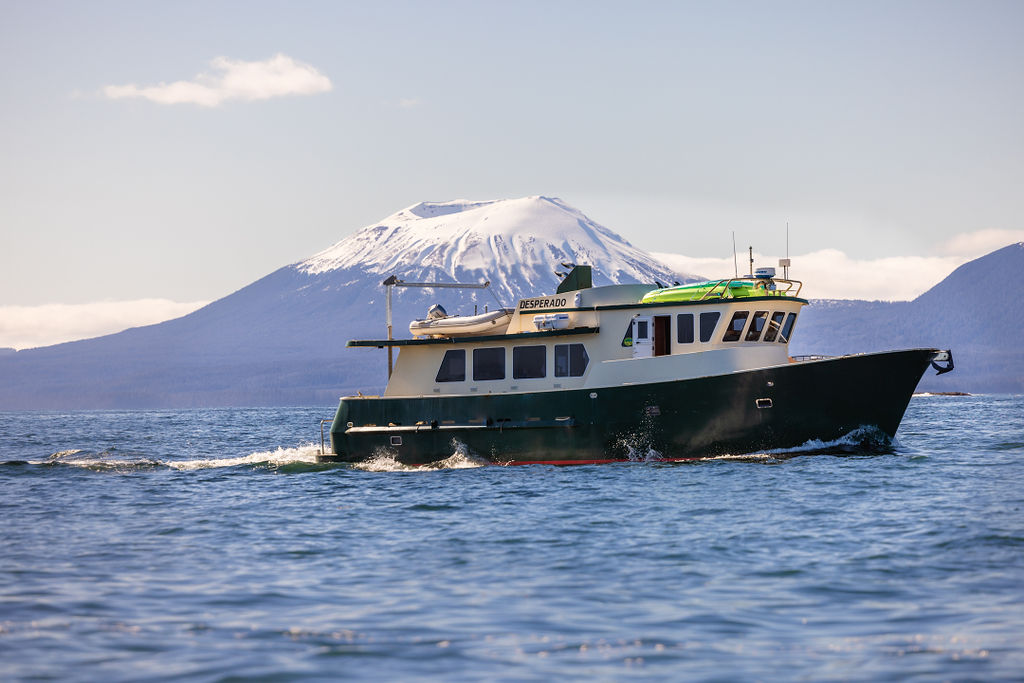
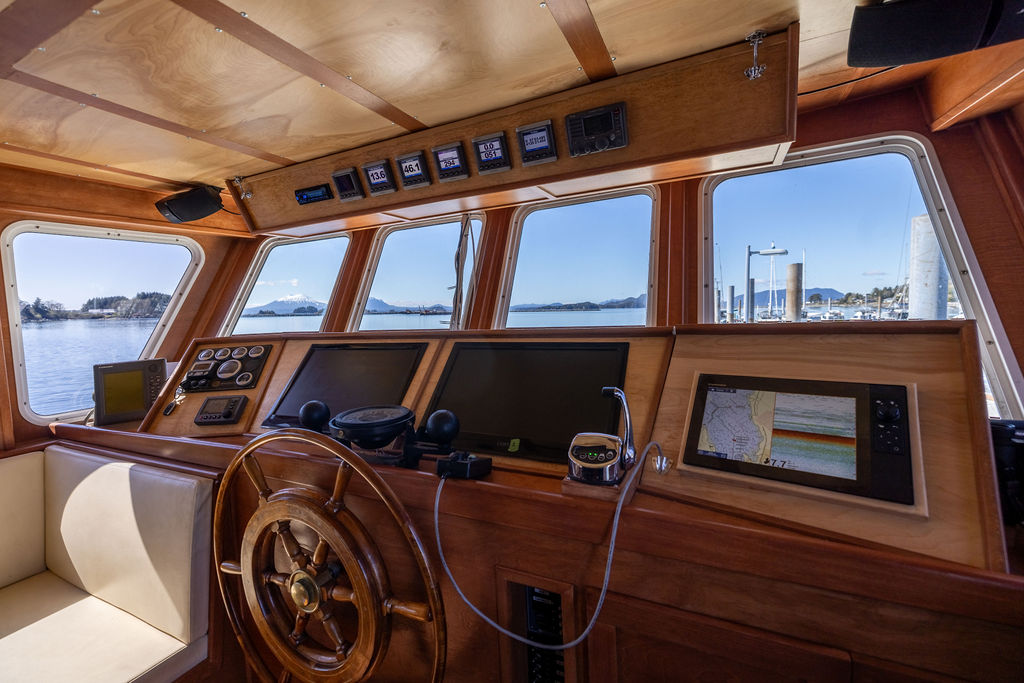
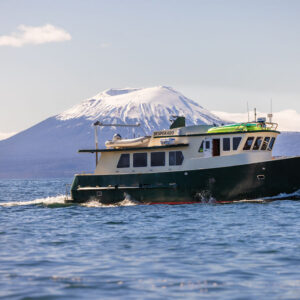
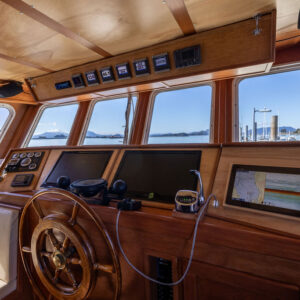
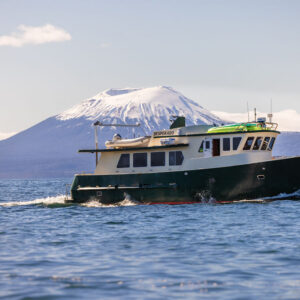
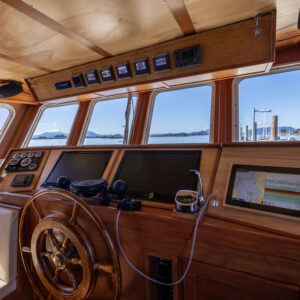
Saltwater trips (fully guided, various formats): Day trips and multi-day live-aboard charters operating out of Homer and southeast Alaska ports. You’ll target salmon in open ocean, coastal bays, and nearshore channels. These trips layer species well — Kings or silvers alongside halibut, rockfish, lingcod, and crabbing. The live-aboard format runs May through September and is genuinely comfortable on the water, with all meals provided by the crew. Families and mixed-experience groups tend to do well on these trips. Motion sickness is a real consideration if you’re heading offshore.
If you can’t decide, consider what else you want to do with the trip. Silvers in September pair naturally with Sitka blacktail deer in southeast Alaska. Kings in June pair well with halibut in salt water. Tell your consultant what matters most and they’ll build the right week around it.
—
What to Expect During the Week
On the river floats, days are long. You’re fishing from mid-morning into early evening, with the guide managing the raft between runs. Weather in the Bristol Bay region can change fast — rain, wind, and sun all in the same afternoon. Layering is not optional.
On the saltwater trips, departure time depends on tides and target species. Halibut fishing starts early. Salmon in the salt can be found at various times depending on where the guide is putting you. The multi-day live-aboard trips give you flexibility that day trips don’t — if the weather moves you off one spot, you relocate rather than head back to the dock.
For what to bring on an offshore Alaska fishing trip, we’ve put together a full packing list for Alaska fishing trips. Read it before you pack.
On any Alaska salmon trip: be prepared for rain. Be prepared for bugs on river trips. Be prepared for a genuine fishery that doesn’t perform the same way every day. That’s the honest version.
—
Who These Trips Fit
These trips work for a wide range of anglers — families with kids old enough to fish, experienced fly anglers who want wilderness river access, saltwater anglers who want multiple species in one week, and hunters looking to extend a fall trip with fishing. Most of the trips are rated easy to moderate. The river floats ask for more physical output than the saltwater options.
If you’ve never fished Alaska before and you’re not sure where to start, the saltwater combination trips are the lowest logistical barrier — you’re fishing out of an established port, everything is provided, and you have a legitimate shot at multiple species in a single day.
—
FAQs
What’s the single best week to fish Alaska for salmon?
There isn’t one — it depends entirely on what species you’re after. June for Kings. July for sockeye and pinks. August and September for silvers. If you have flexibility and want the most species in a single trip, late July into early August catches the tail of the sockeye, pink season, and the beginning of the silver run simultaneously.
Do I need to bring my own fishing gear?
For fully guided trips, your outfitter supplies rods, reels, and terminal tackle. You’re responsible for your license and personal gear — rain gear, waders on river trips, and layering for cold mornings. Check with your consultant on what’s provided for your specific trip before you pack.
Do these trips require a non-resident Alaska fishing license?
Yes. Every angler in Alaska needs a valid Alaska sport fishing license regardless of where you’re from. King salmon require a separate King Salmon stamp in addition to the base license. Your consultant will confirm what’s required for your specific trip.
Can I combine salmon fishing with other species or hunting?
Yes, and several of our trips are specifically structured for that. The saltwater combination trips layer halibut, rockfish, and lingcod alongside salmon. In fall, our southeast Alaska operations let you combine silver salmon fishing with Sitka blacktail deer. Timing is everything — tell your consultant what you want to target and they’ll match you to the right operator and dates.
How far in advance should I book?
For peak-season King salmon trips in June and July, plan at least six months out. The best river float dates go early. Fall silver trips generally have more availability but the better guided options still fill up. Don’t wait until spring to book a summer King trip.
—
Plan Your Trip
Five salmon species, two distinct fishing environments, a season that runs May through October — Alaska can absorb as much time as you’re willing to give it. The job is picking the right week for the right species in the right water.
We’ve been matching anglers to Alaska trips for a long time, and the difference between a great trip and a frustrating one usually comes down to timing and expectations. We’ll be straight with you about both.
Talk to a trip consultant and tell us what you’re after.
Book This Trip
Ready to start planning your Alaska Salmon Fishing trip? Ask us about availability, current pricing, and dates — one of our consultants will get right back to you.
REQUEST MORE INFORMATION
Quality outfitters are in high demand so let us know right away, as some trips do book years in advance.







Reviews
There are no reviews yet.